Its role in the 'fight & flight' response
Fight or Flight Reaction
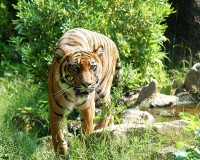
 The idea of a fight or flight response has been understood for almost 100 years, with the phrase being coined in 1915 by Walter Cannon. The general response is summarized by the sympathetic reaction of an animal to a stressor. Simply, it is how the body reacts to a dangerous stimulus. Sympathetic activity prepares the body for high levels of physical exertion which may be required for example when fleeing from a predator.
Biological effect
The presence of a stressor is detected by the sensory cortex. After this potential danger is perceived, signals are passed to the hypothalamus in order to begin a signalling cascade resulting in the release of hormones from the suprarenal gland, as well as this noradrenergic neurotransmitters will be released to increase alertness.
Adrenergic Response
Sympathetic stimulation from the hypothalamus will cause adrenalin to be released into the blood stream from the suprarenal gland. This will affect the body in many ways to prepare the body for action. The heart will start pumping faster and harder to provide increased blood supply to skeletal muscles which may need to work hard. Blood vessels that supply skeletal muscles will dilate to provide muscles with more oxygen and glucose that is required for respiration, as well as removing the waste products of respiration. In order to meet the demands of the respiring muscles more oxygen is required. As a result, adrenaline will cause bronchodilation to allow greater ventilation. To minimise the energy requirements of the body adrenaline will cause vasoconstriction in the GI tract and reproductive system. An increase in pupil dilation is necessary to allow an increase is sensory information that may be required to avoid danger. Finally to provide more glucose for respiration lipolysis begins.
Cortisol Response
As well as the adrenergic response the hypothalamus will release CRH which will cause the anterior pituitary to release ACTH, stimulating the release of cortisol. At this point cortisol will cause an increase in the levels of glucose in the blood. This increase in glucose is required in order to provide energy with which some of the muscles in the body can respire, thus facilitating hard physical work. Glycogen stores in the liver will be broken down, as well as some fats and proteins in order to increase glucose in the circulation. Additionally cortisol acts to suppress inflammation, and the immune system which are not required during the fight and flight response.
Fight or Flight reaction should be short term
The fight or flight response is a process which should be used in the short term to help an animal survive a potentially life threatening situation. These processes are effective at increasing the physical strength and endurance of an animal, however once the threat is over it is vitally important the animal can return to homeostasis. Exposure to high levels of suprarenal hormones over an extended period of time can have serious negative effects. As explained in the ‘Suprarenal Disorders’ page.
Image courtesy of https://www.sciencephoto.com public domain image